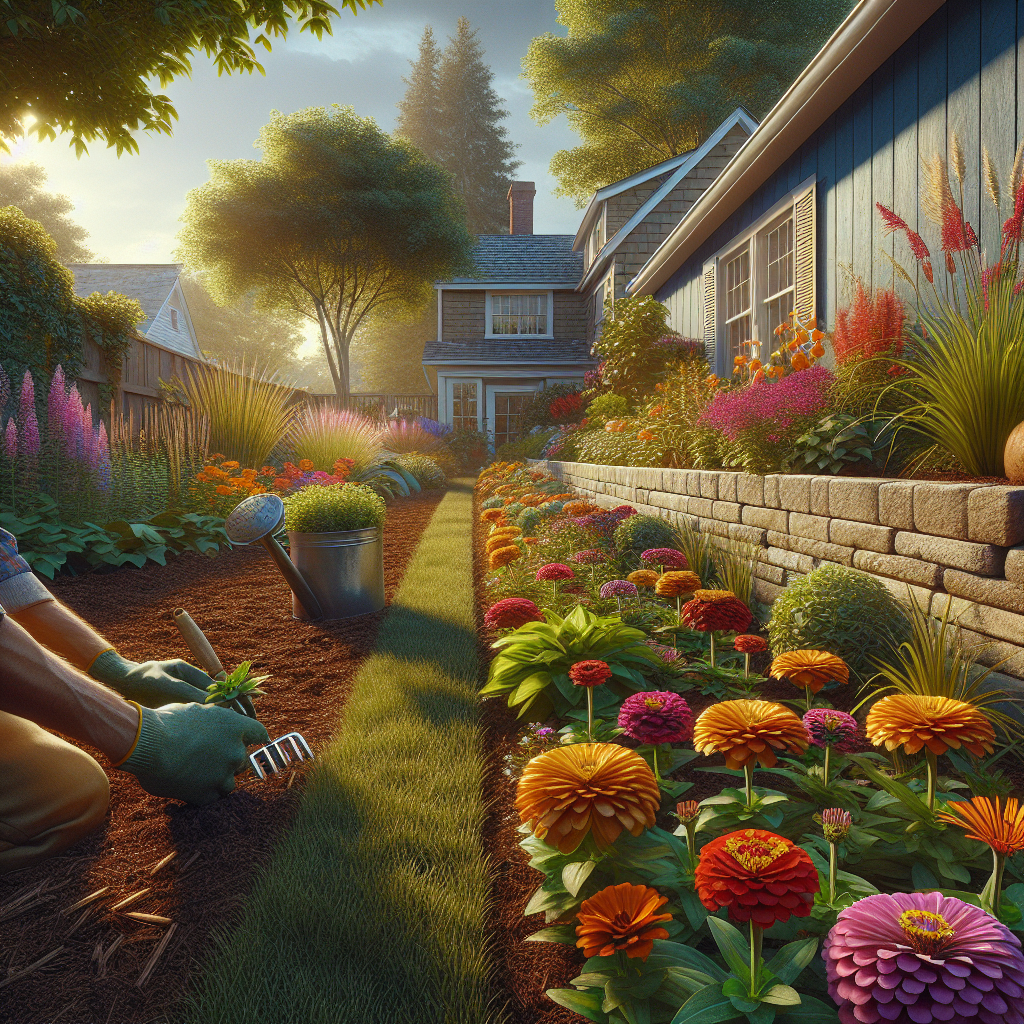
Summer landscaping: annuals vs perennials and planting ideas
Choosing the right plants for summer beds affects color, effort and long term garden health. Annuals and perennials each play distinct roles in a landscape plan: annuals bring immediate, bold color for one season while perennials establish structure and return year after year. Understanding their strengths helps you design vibrant, low-maintenance outdoor spaces.
Annuals: advantages and best uses
Annuals complete their life cycle in a single year. That means many gardeners rely on them for intense summer color, filling gaps, and experimenting with seasonal trends. Advantages include:
- Fast, continuous blooms through summer and fall.
- Wide palette of colors and textures to change year by year.
- Great for containers, seasonal borders, and mass plantings.
Popular summer annuals include zinnias, petunias, marigolds, impatiens, and coleus. Plant annuals where you want predictable, concentrated color or where soil conditions make long-term planting difficult. Annuals are also ideal for rental properties, short-term projects, and for gardeners who enjoy redesigning each year.
Perennials: advantages and best uses
Perennials come back each year from roots, crowns, or bulbs. They build structure, reduce replanting costs, and create layered, evolving gardens. Key advantages:
- Lower long-term maintenance and cost once established.
- Seasonal rhythm with foliage, bloom time and seed heads that support wildlife.
- Provide backbone planting and complement annuals for contrast.
Common summer perennials include coneflowers, daylilies, salvia, coreopsis, and ornamental grasses. Use perennials for foundation beds, pollinator gardens, and mixed borders where stability and succession of bloom matter.
Design strategies: combining annuals and perennials
Blending annuals and perennials gives you the best of both worlds: the lasting structure of perennials plus the flexible color of annuals. Consider these strategies:
- Perennial backbone: Plant a grid of perennials for form and spacing. Fill gaps with annuals to maintain continuous color while perennials mature.
- Drift planting: Use drifts of a single perennial to create mass and then add contrasting annuals at the edges to highlight shapes.
- Container pairing: Mix a perennial focal plant with trailing and filler annuals for containers that last and look full.
- Seasonal succession: Choose perennials with staggered bloom times and insert annuals to plug early or late-season gaps.
Planting ideas for different settings
Match plant choices to site conditions and desired maintenance level. Here are practical ideas:
- Sunny borders: Combine lavender or salvia with zinnias and marigolds for long color and pollinator appeal.
- Shady corners: Use hostas and astilbe as perennials, adding impatiens or begonias for bright annual color.
- Dry, hot sites: Favor drought-tolerant perennials like yarrow and ornamental grasses, with lantana or purslane as heat-tolerant annuals.
- Containers and window boxes: Pair a structural perennial or small shrub with trailing petunias and foliage annuals for fullness.
Practical care tips
A few maintenance habits keep both plant types healthy all summer. Mulch to retain moisture and suppress weeds, water deeply and infrequently for perennials to encourage root development, and deadhead annuals and spent perennial blooms to extend flowering. Fertilize annuals lightly every four to six weeks for continuous display; feed perennials annually in spring to support long-term vigor.
Conclusion
Annuals and perennials are not opposing choices but complementary tools. Use perennials for structure, sustainability, and year-to-year reliability, and deploy annuals for instant impact, seasonal experimentation, and flexible color accents. With thoughtful pairing and proper care, your summer landscape can deliver dynamic color, ecological benefits, and manageable maintenance.